Mastering Portrait Lighting: Natural vs Artificial
Understand when and how to use natural light versus artificial lighting setups for stunning portrait photography.
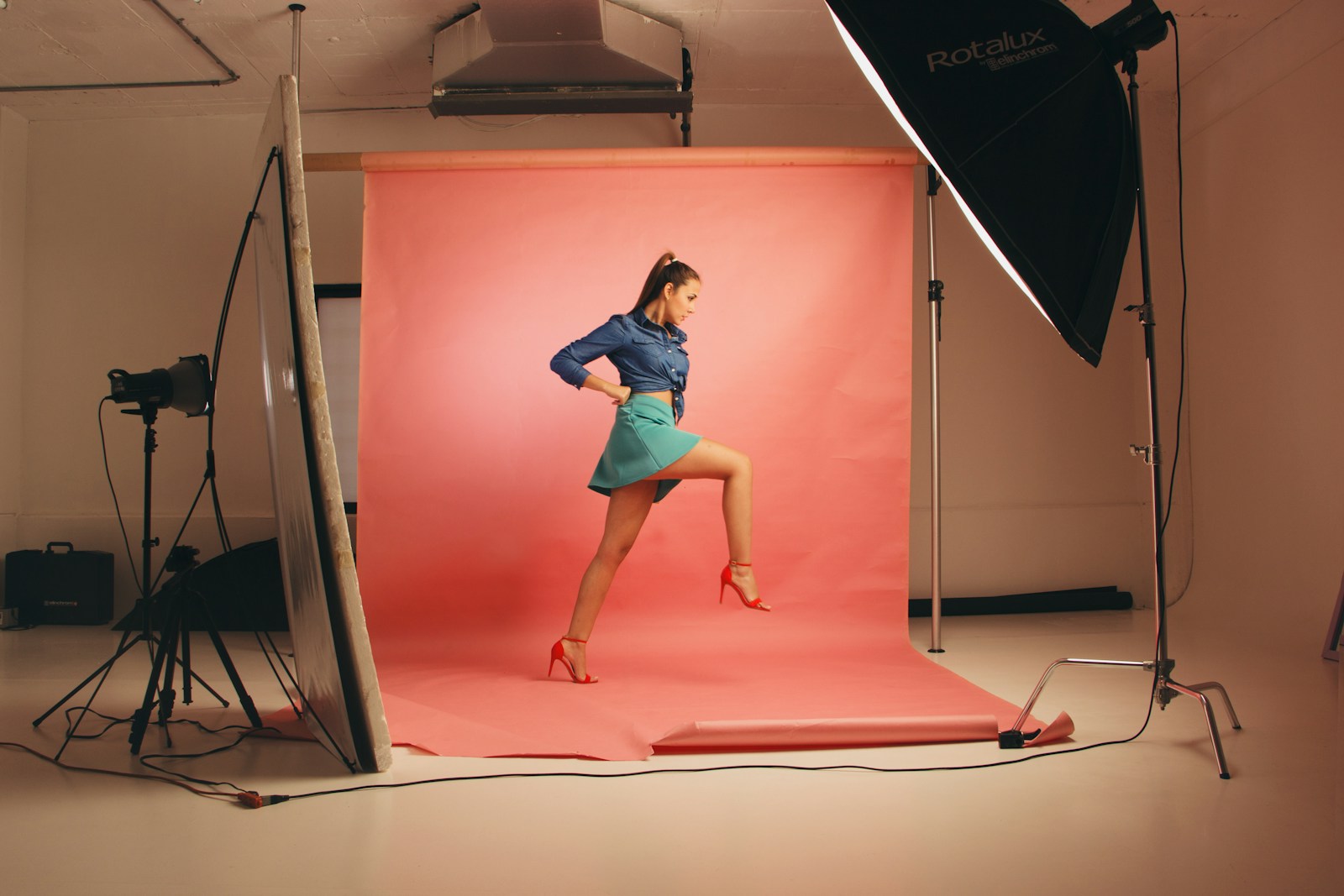
Lighting is the language of photography. It determines mood, texture, and focus. The same person, the same lens, the same camera , different lighting , different photo.
This guide walks through the foundational decision (natural vs. artificial), the classic lighting patterns every portrait shooter should know, and the modifiers that shape light into something usable.
The Case for Natural Light
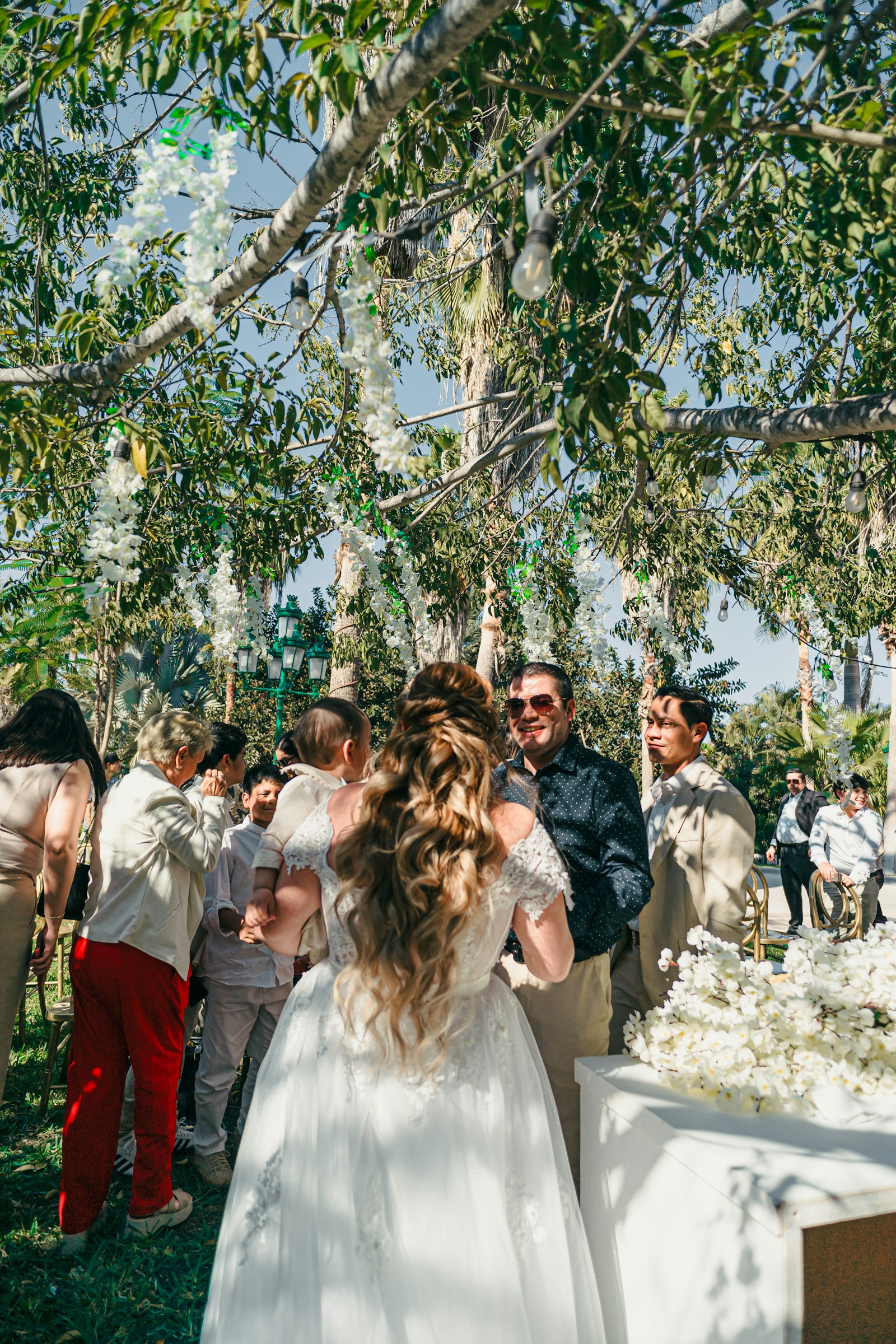
Natural light is accessible and flattering. Golden hour (the hour after sunrise and before sunset) provides soft, warm, directional light that is hard to replicate.
- Window Light: Great for soft, indoor portraits. Use a sheer curtain as a diffuser.
- Open Shade: Harsh midday sun creates bad shadows. Move your subject into the shade of a building or tree for even illumination.
- Backlight: Position the sun behind your subject for a halo effect , meter for the face, not the sky.
The downside: you have zero control. If the sun goes behind a cloud at the wrong moment, your shoot is over.
Stepping into Artificial Light
Artificial light gives you control. You are no longer at the mercy of the weather.
- Speedlights: Portable and powerful. Bounce them off ceilings for soft light.
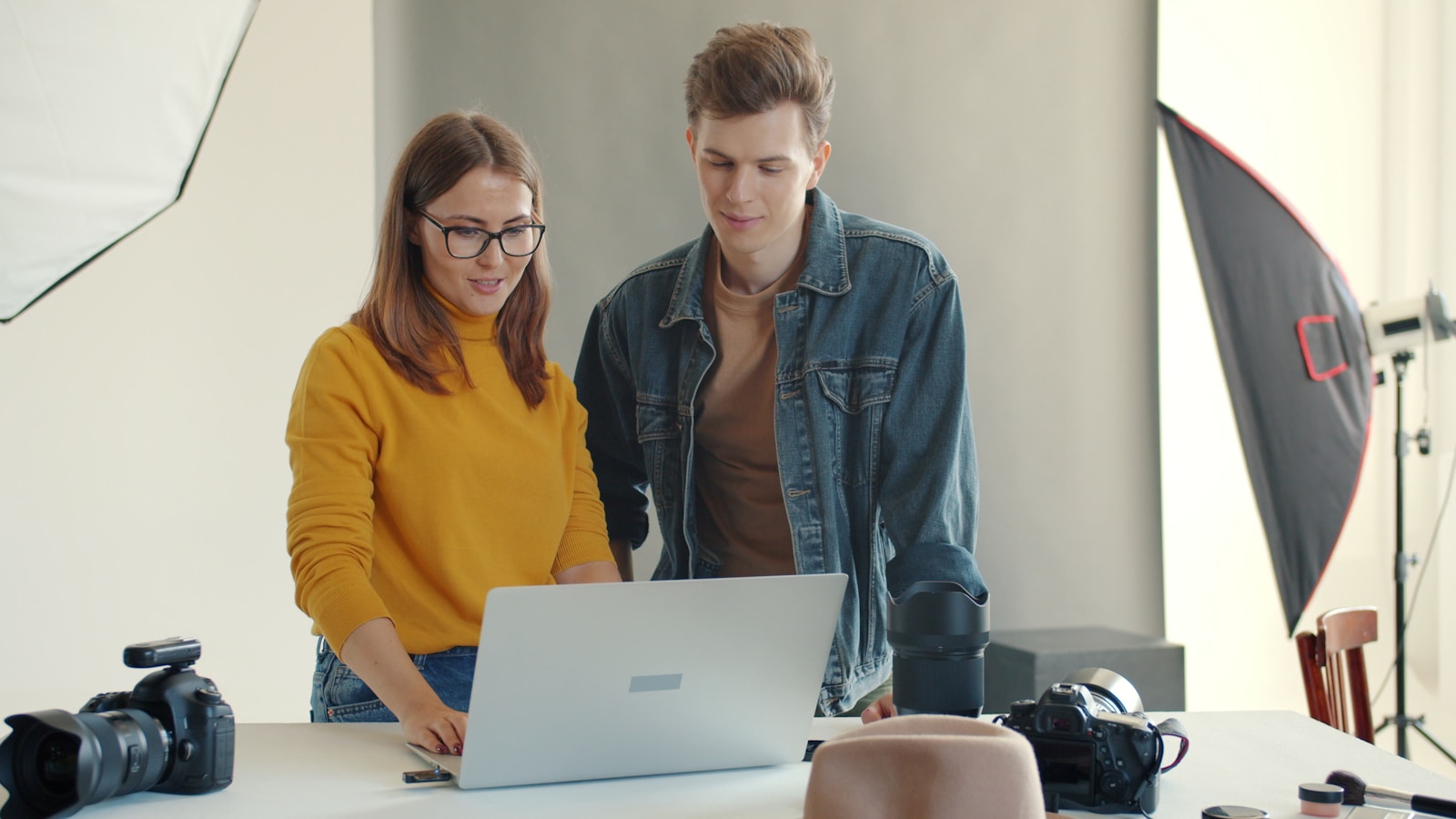
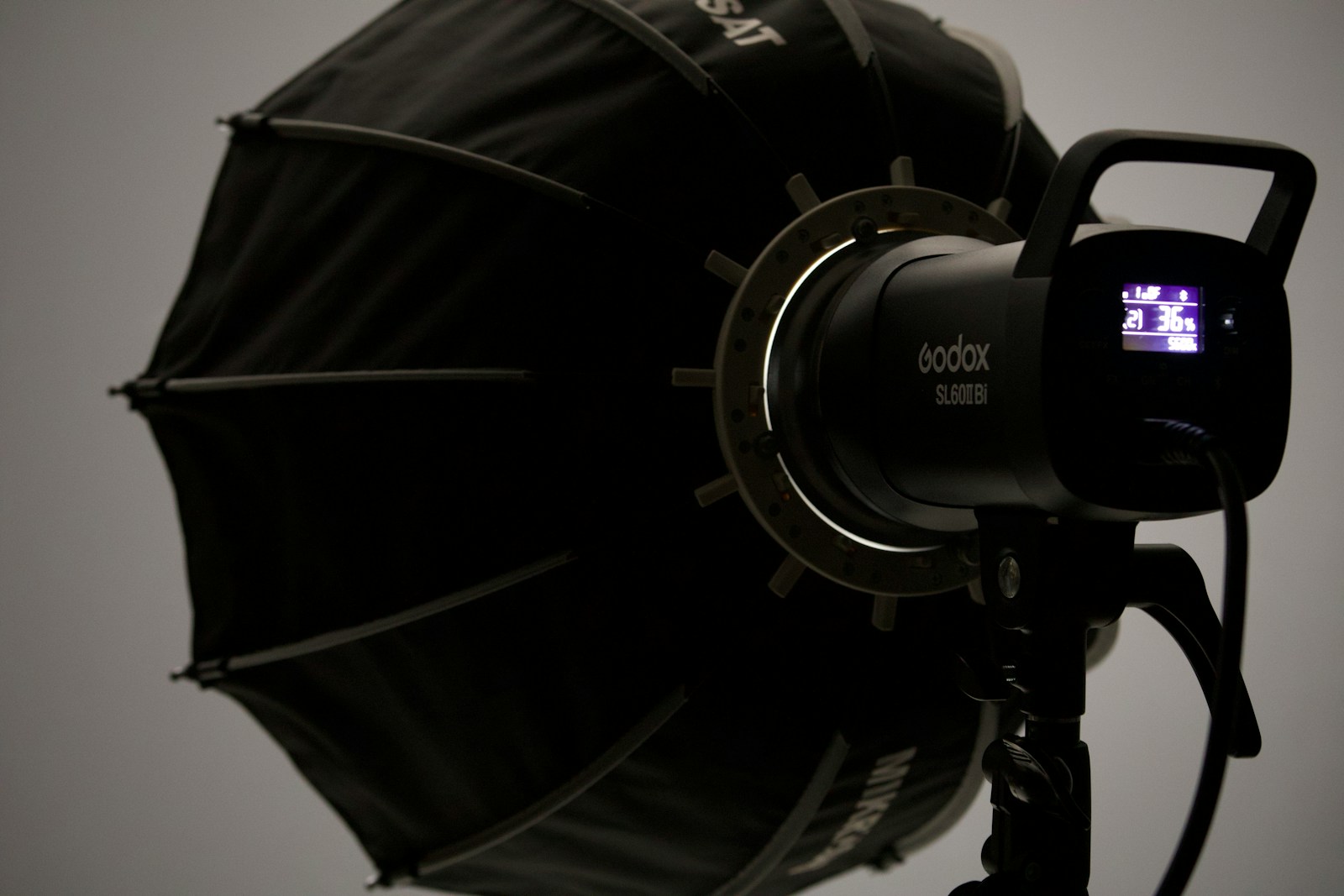
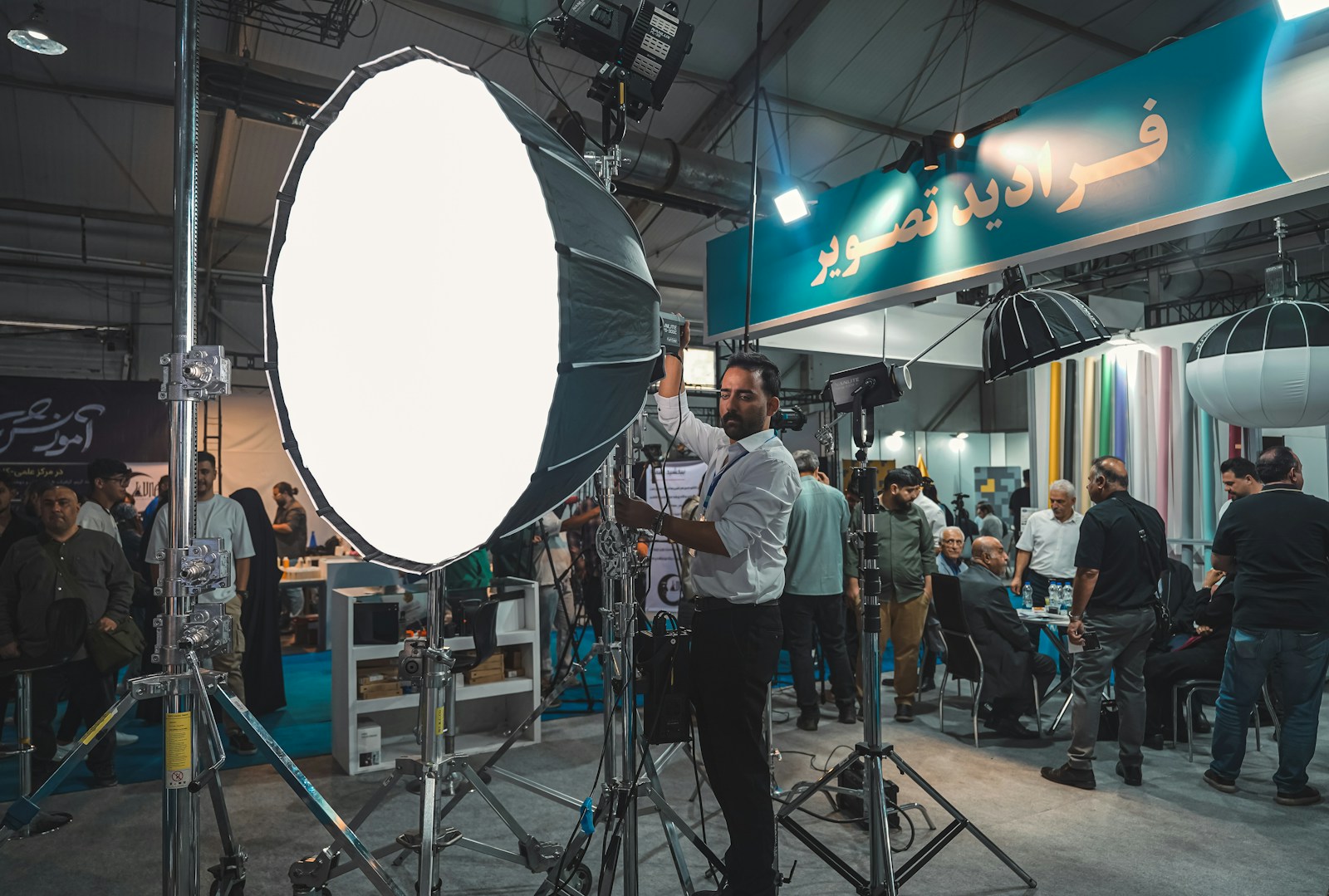
- Strobes/Softboxes: The studio standard. They simulate window light but allow you to shoot at ISO 100 at midnight.
- Continuous LEDs: What you see is what you get , great for hybrid photo/video shoots.
The downside: gear, batteries, modifiers, learning curve. But once you understand light shaping, you can build any look.
Combining Both
The best photographers master both. Mixing ambient light with a touch of flash (fill flash) can open up shadows while keeping the background beautifully exposed.
A common 2026 workflow: shoot natural for the bulk of the day, then use one bare flash on a stand for sunset portraits and reception coverage.
Essential Lighting Patterns
It is not just about having light; it is about where you put it. These three patterns are the foundation of portraiture.
Rembrandt
Identified by a small triangle of light on the shadowed cheek. It is dramatic, moody, and classic. Place your light 45 degrees to the side and 45 degrees up.
Butterfly
Named for the butterfly-shaped shadow under the nose. The light is placed directly in front of and above the subject. Very flattering for fashion and beauty.
Split
Literally splits the face in half , one side lit, one side shadow. Highly dramatic. Place the light 90 degrees to the side of the subject.
Modifiers 101: Shaping Your Light
A bare bulb is harsh. Modifiers soften and direct the beam.
- Softbox: Simulates window light. The larger the box relative to the subject, the softer the light.
- Umbrella: The "spray and pray" of lighting. It throws light everywhere. Good for groups, bad for controlling spill.
- Beauty Dish: A hard, crisp center with soft edges. The go-to for sports and high-fashion makeup shots.
- Snoot/Grid: Focuses light into a tight beam. Perfect for hair lights or spotlighting a specific detail.
High Key vs. Low Key
High Key
Bright, airy, few shadows. The background is often blown out white. Screams "optimistic, commercial, happy."
Low Key
Dark, moody, lots of shadows. The background is often black or dark grey. Screams "serious, mysterious, intense."
Pick one consciously. Accidental low-key portraits look like underexposed mistakes.
Conquering the Sun: High Speed Sync (HSS)
Shoot portraits at noon? Yes, you can. With High Speed Sync, your flash pulses thousands of times per second, allowing you to shoot at shutter speeds of 1/8000. This lets you crush the ambient light (turning a bright sky rich blue) while keeping your subject perfectly lit.
HSS is the single most underused tool in event photography. Once you learn it, sunny outdoor portraits go from "wait for the cloud" to "fire away."
Frequently Asked Questions
Can I use continuous video lights for photos?
Yes, but they are not as powerful as flash. You will need to crank up your ISO, which introduces noise. Flash is still king for freezing motion and clarity.
What is the "catchlight"?
It is the white reflection of the light source in the subject's eye. Without it, eyes look "dead" or shark-like. Always position your light to create a catchlight at 10 o'clock or 2 o'clock.
What's the best beginner lighting setup?
One speedlight, one stand, one umbrella, one wireless trigger. About $250 total. You can shoot 90% of portrait scenarios with this kit.
Hard light or soft light?
Hard light = drama and edge. Soft light = beauty and approachability. Neither is "better" , both have their place.
Wrap-Up
Lighting is a craft you can spend a lifetime learning. Start with one pattern (butterfly), one modifier (softbox), and one source (window or speedlight). Get those bulletproof , then add complexity.
Want to show off your portraits in a gallery built for photographers?