Wedding Photography Trends 2026
From candid documentary styles to drone photography, discover the trending approaches that modern couples are requesting for their special day.
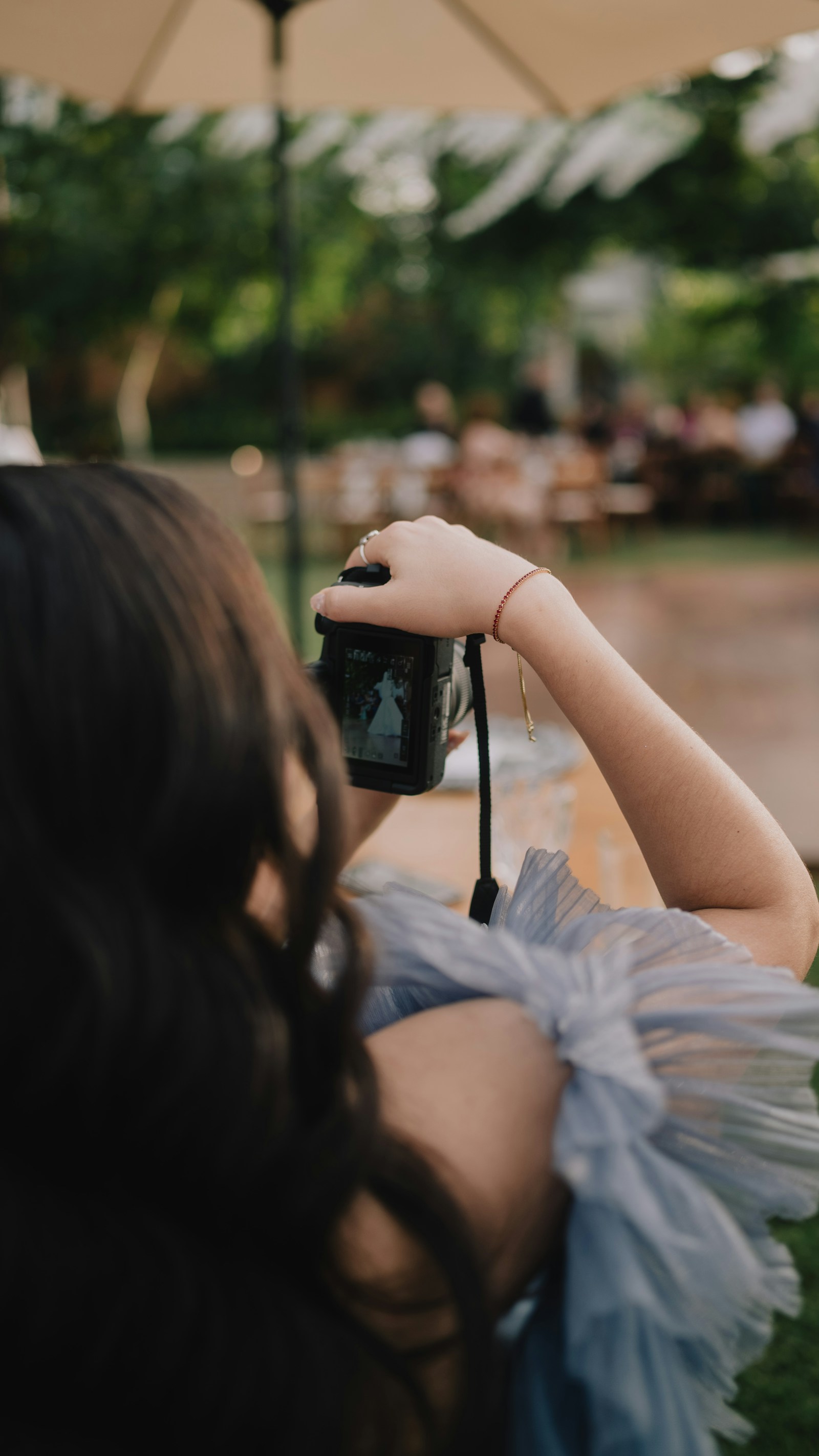
Wedding photography continues to evolve, with 2026 bringing fresh perspectives and innovative approaches that reflect changing couple preferences and technological advances. Here are the top trends shaping the industry this year , and how to use them without losing your own voice.
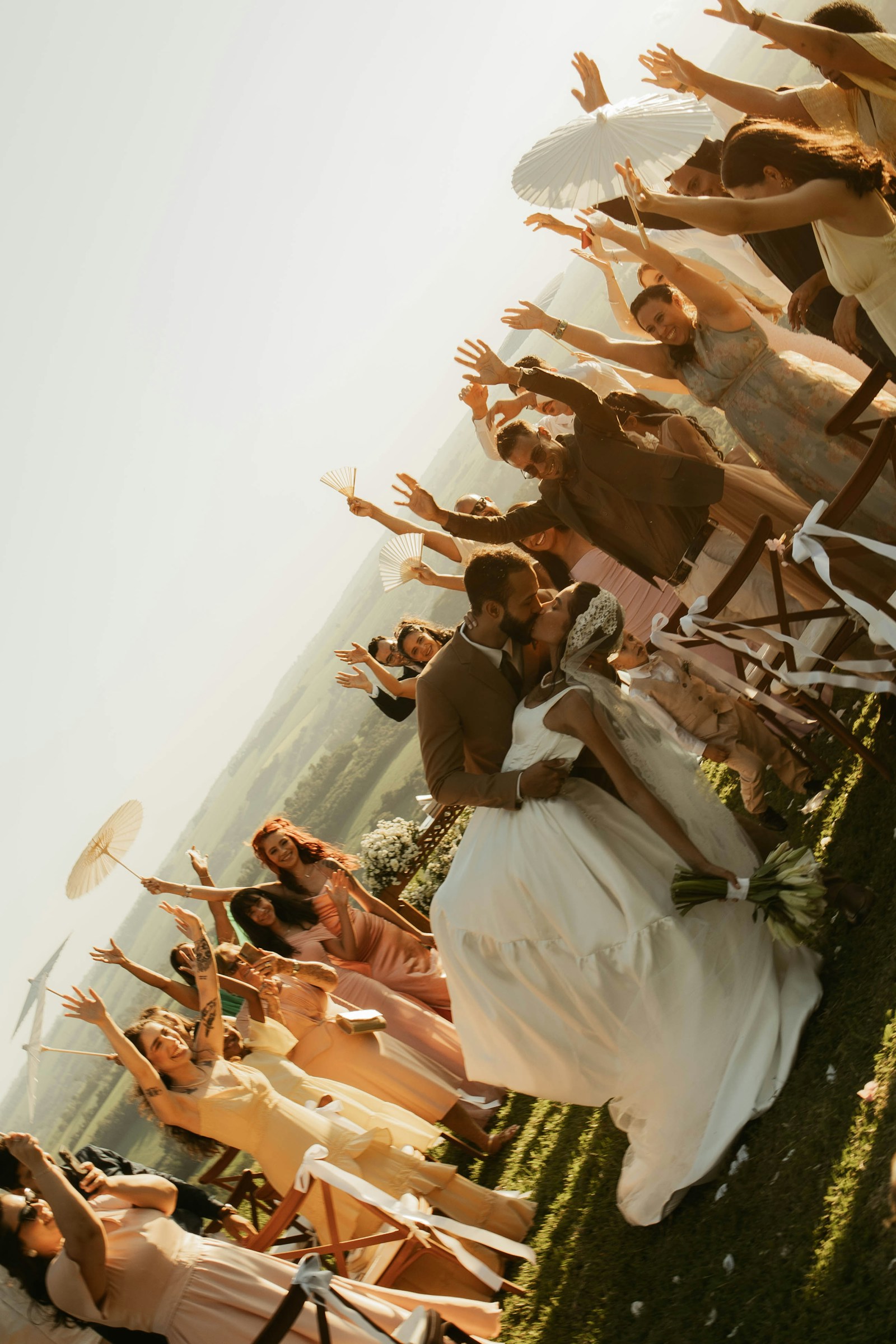
1. Documentary-Style Storytelling
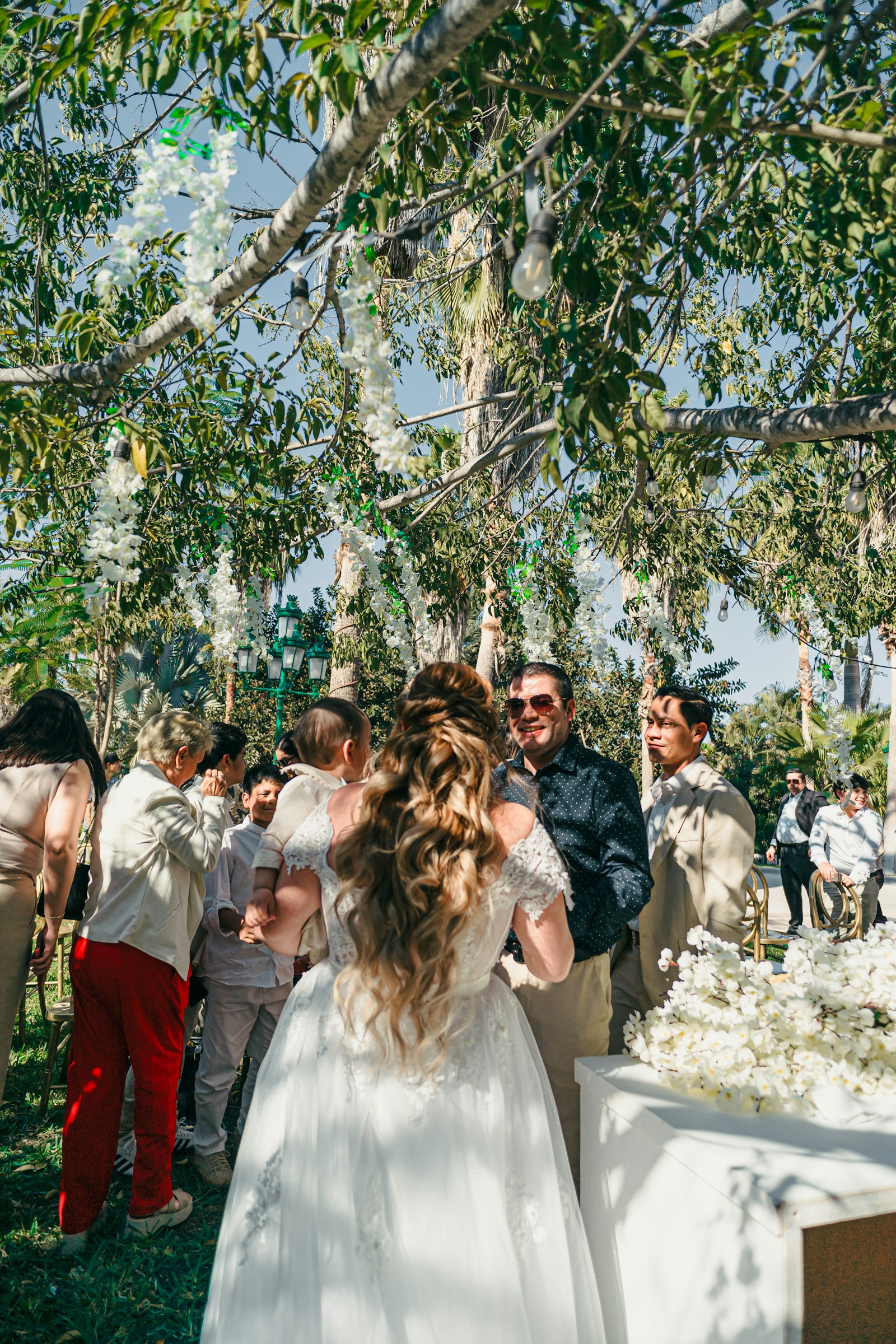
Modern couples are moving away from heavily posed photographs in favor of authentic, documentary-style coverage. This trend emphasizes capturing genuine emotions, candid interactions, and the natural flow of the wedding day.
Photographers are focusing on being observers rather than directors, resulting in more meaningful and emotional imagery. Expect fewer "stand here and smile" frames and more in-between moments , a father wiping his eye, a flower girl spinning in the aisle, the bride's hand brushing the back of a chair before she sits down.
2. Drone Photography Integration
Aerial photography has become more accessible and popular. Couples are requesting dramatic overhead shots of their ceremony and reception venues to set the scene.
Drone photography offers unique perspectives that traditional ground-based photography cannot achieve , sweeping establishing shots, large group photos shaped into letters or hearts, and golden-hour landscape frames that show the geography of the day.
3. Film Photography Renaissance
There is a growing appreciation for the aesthetic qualities of film. Many couples specifically request film coverage alongside digital. The organic grain, natural color rendition, and timeless quality of film add a nostalgic, artistic element to wedding memories.
A common 2026 setup: one digital shooter for coverage and reliability, one film shooter for a small set of "hero" frames the couple will frame for the wall.
4. Intimate Micro-Weddings
The trend toward smaller, more intimate weddings has changed photography approaches. With fewer guests, photographers can focus more on detail shots, intimate moments between the couple, and creative environmental portraits.
This allows for more artistic freedom and deeper storytelling within a smaller scope , the kind of slow, considered images that simply are not possible at a 400-guest wedding.
5. Sustainable Wedding Photography
Environmental consciousness is influencing wedding photography:
- Digital-first delivery packages
- Sustainable printing options and recycled-paper albums
- Eco-friendly album materials (linen, FSC-certified wood covers)
- Outdoor venues and natural settings that match couples' values
6. Bold Color Palettes
After years of muted, neutral tones, couples are embracing bold, vibrant color schemes. Saturated florals, jewel-tone bridesmaid dresses, and printed table linens are back.
For photographers, this means more dramatic compositions, more careful white balance, and more attention to wardrobe coordination during pre-wedding consults.
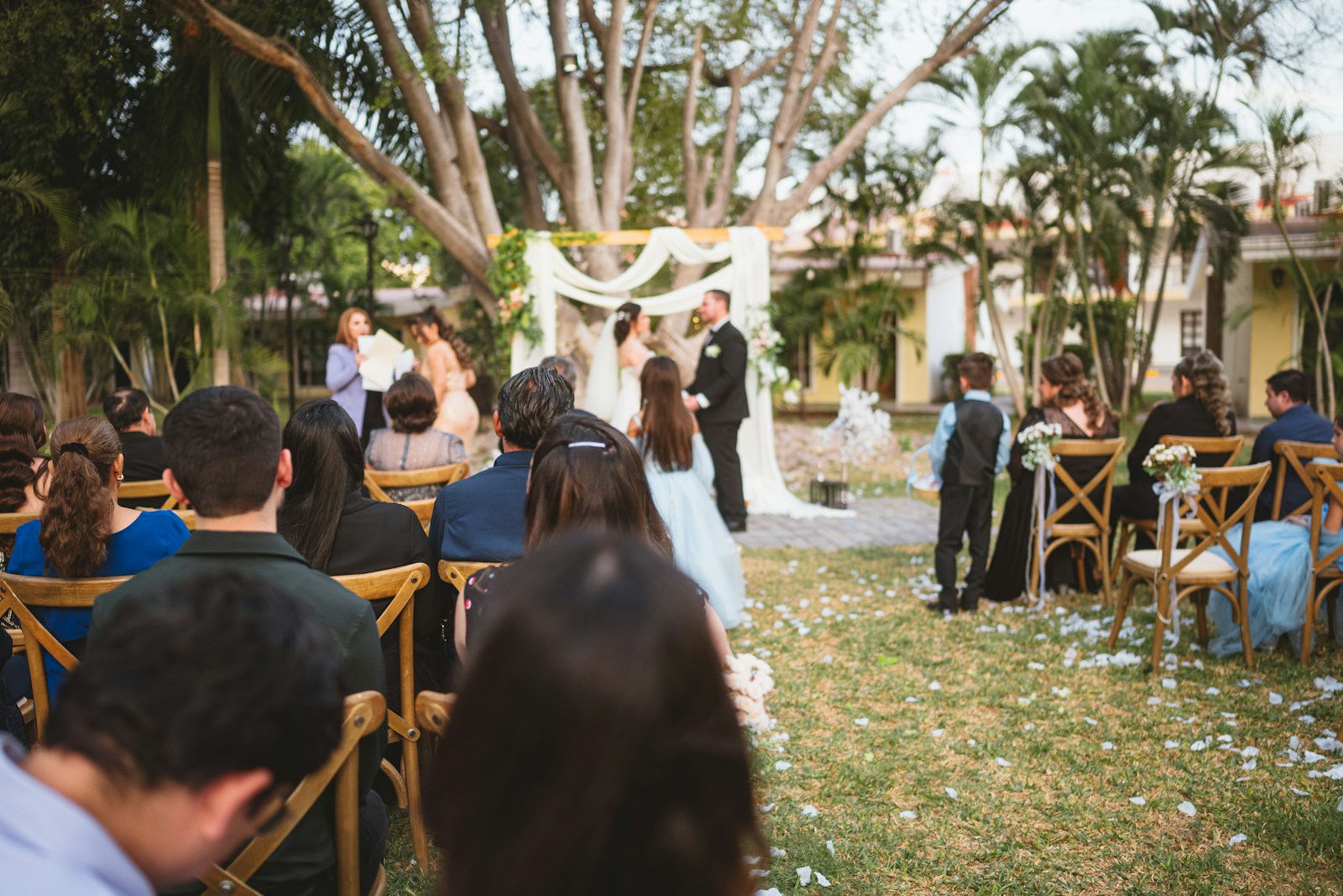
7. Interactive Guest Photography
Technology is enabling new ways for guests to participate. From QR codes that let guests upload photos directly to shared galleries, to instant cameras at reception tables , couples are finding creative ways to involve their guests.
Platforms like PicBee make this seamless: one QR code on every table, no app downloads, no chaotic WhatsApp groups, and one organized gallery at the end of the night.
Guests pick a camera, shoot a limited roll, and uploads land in the shared gallery while the night is still going.
8. Creative Lighting Techniques
Photographers are experimenting with creative lighting solutions: colored gels, projected patterns, dramatic backlighting, and intentional silhouettes. These techniques add artistic flair and help create unique, share-worthy moments that stand out in feeds and albums.
9. Multi-Day Celebrations
Many couples are extending their celebrations over multiple days. From welcome parties to post-wedding brunches, photographers are adapting their services to cover extended celebrations with different approaches for each event.
A typical 2026 multi-day package now includes:
- Welcome party (relaxed, candid)
- Rehearsal dinner (semi-formal portraits)
- Wedding day (full coverage)
- Brunch (lifestyle, documentary)
10. Personalized Photo Experiences
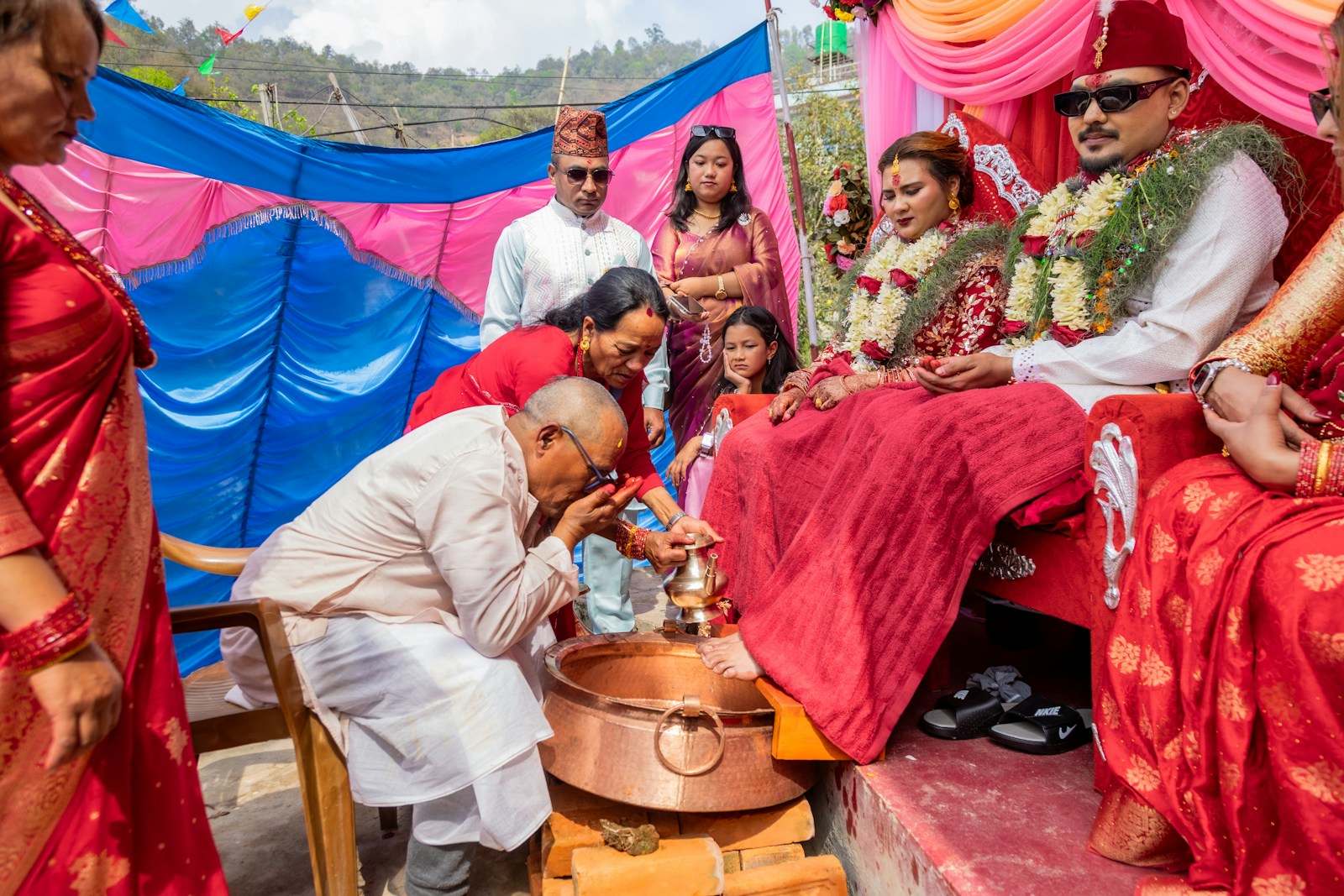
Couples are requesting photography experiences that reflect their unique story , meaningful locations, personal hobbies, cultural traditions woven into the timeline. The result is imagery that is impossible to confuse with any other couple's wedding.
11. The AI Revolution (Behind the Scenes)
While clients see the final images, the backend is changing. AI tools like Aftershoot and ImagenAI are determining how fast you get your photos.
Prediction: By late 2026, 80% of professional galleries will be culled and rough-edited by AI, allowing photographers to deliver "Next Day Teasers" of 100+ images instead of just 5.
12. The "Paparazzi" Aesthetic (Direct Flash)
Driven by Gen Z and celebrity culture (think Kendall Jenner's party photos), the hard flash look is back.
Gone are the soft, airy, backlit reception photos. In their place: high-contrast, direct-flash snapshots that feel chaotic, fun, and very high-fashion editorial. It is "anti-wedding" wedding photography , and couples love it.
13. The Rise of the "Wedding Content Creator"
A new vendor has entered the chat. The Wedding Content Creator is solely responsible for iPhone-only content: Reels, TikToks, and Stories delivered within 24 hours.
They do not replace the photographer; they work alongside them. The pro captures the "art," the content creator captures the "vibes," and the couple gets both a permanent album and a viral Reel by Monday morning.
14. Private Vows
Performance anxiety is real. A massive trend for 2026 is reading personal vows in private (usually during the First Look) and doing standard "repeat after me" vows at the altar.
This leads to incredibly emotional, intimate audio and photos that feel far more genuine than a nervous public speech.
Adapting to These Trends
As a wedding photographer, staying current with these trends while maintaining your unique style is crucial. Consider how you can incorporate these elements into your work while staying true to your artistic vision. Trends should enhance your storytelling, not replace your creative voice.
Pro Tip: Use platforms like PicBee to showcase these trending styles in your client galleries. Themed collections and style-based organization help potential clients visualize how each trend would translate to their own wedding coverage.
Frequently Asked Questions
Will documentary photography replace posed portraits entirely?
No. Most 2026 couples want a balance , a short, intentional portrait block (family formals, couple portraits) and then full documentary coverage for the rest of the day.
Is film photography worth the extra cost?
For most couples, a small film add-on (one roll of 36 frames) delivers the highest emotional ROI without doubling the budget. Full-film wedding coverage is still a luxury choice.
Do I need both a photographer and a content creator?
If social media matters to you, yes. They have different tools, different output formats, and different turnaround times. They genuinely complement each other.
How do I keep up without copying trends?
Use trends as ingredients, not recipes. Pick the two or three that match your story, then apply your own taste.
Final Thoughts
The wedding photography industry continues to evolve with changing couple preferences and technological advances. By understanding and adapting to these trends while maintaining your unique artistic perspective, you can create compelling wedding stories that resonate with modern couples , and stand the test of time.
Ready to deliver a modern wedding gallery your couples actually share?