Essential Equipment for Event Photography Success
A comprehensive guide to the must-have gear for capturing stunning event photos, from cameras and lenses to lighting and backup equipment.
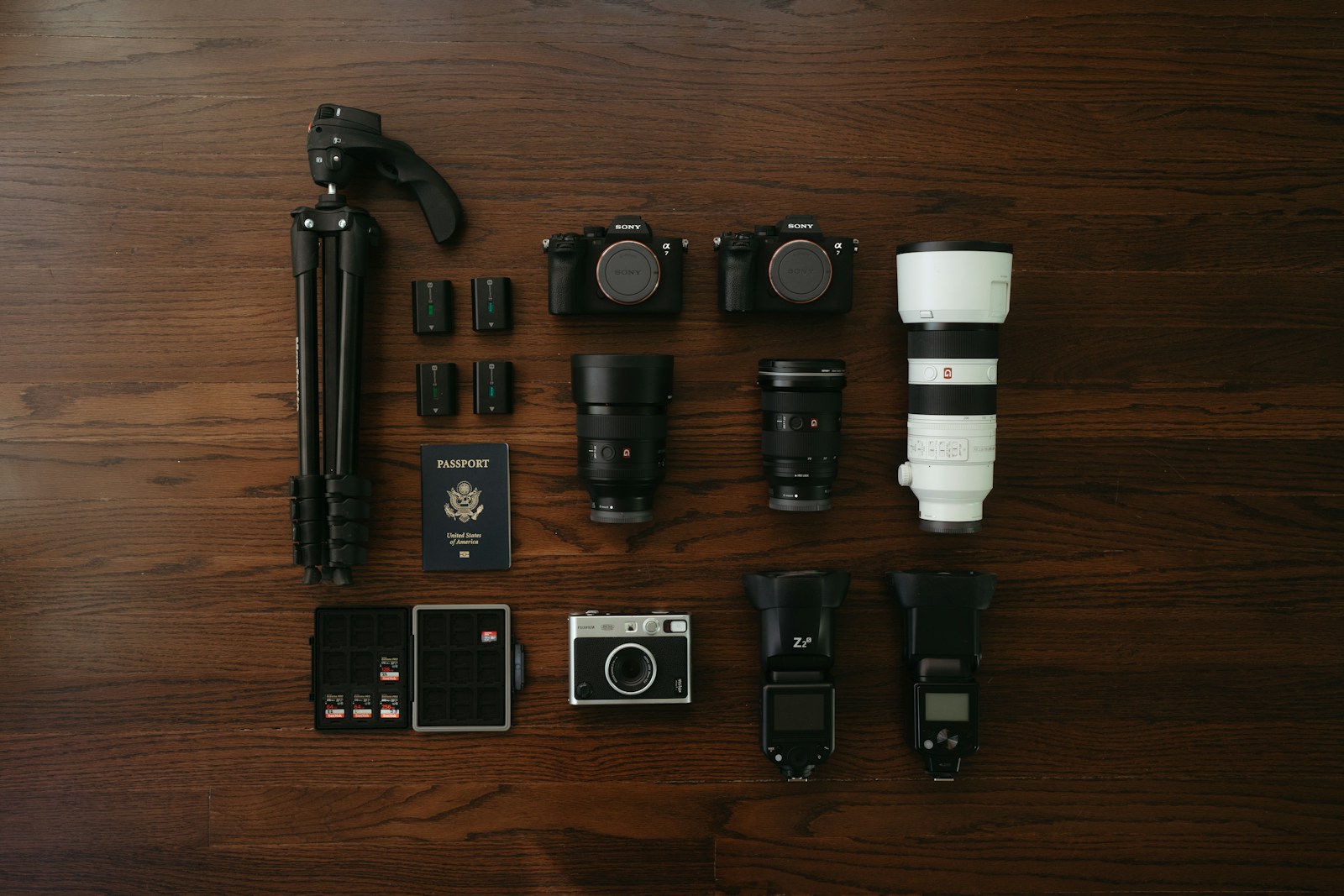
Event photography demands reliable, versatile equipment that can handle challenging lighting conditions, fast-paced action, and long shooting days. Here's your comprehensive guide to building the perfect event photography kit that won't let you down when it matters most.
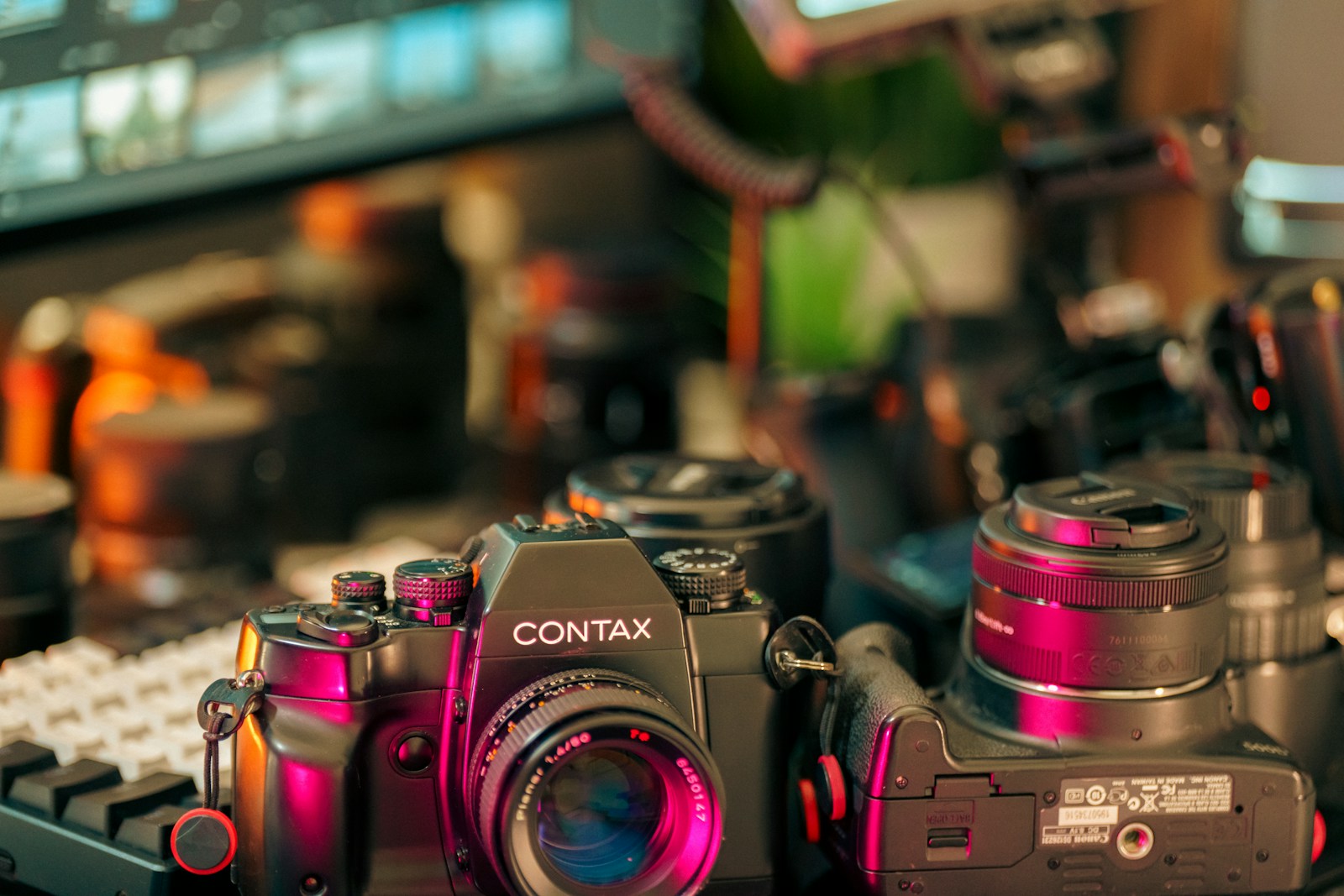
Cameras & Lenses
The foundational layer of any event kit.
- Primary camera body (full-frame recommended)
- Backup camera body
- 24–70mm f/2.8 lens (versatile workhorse)
- 70–200mm f/2.8 lens (compression and reach)
- 50mm f/1.4 lens (low light and portraits)
- 16–35mm f/2.8 lens (wide angles and venues)
Lighting Equipment
- External flash / speedlight
- Flash diffuser and bounce cards
- Off-camera flash triggers
- Continuous LED panels
- Light stands and modifiers
- Reflectors (5-in-1 kit)
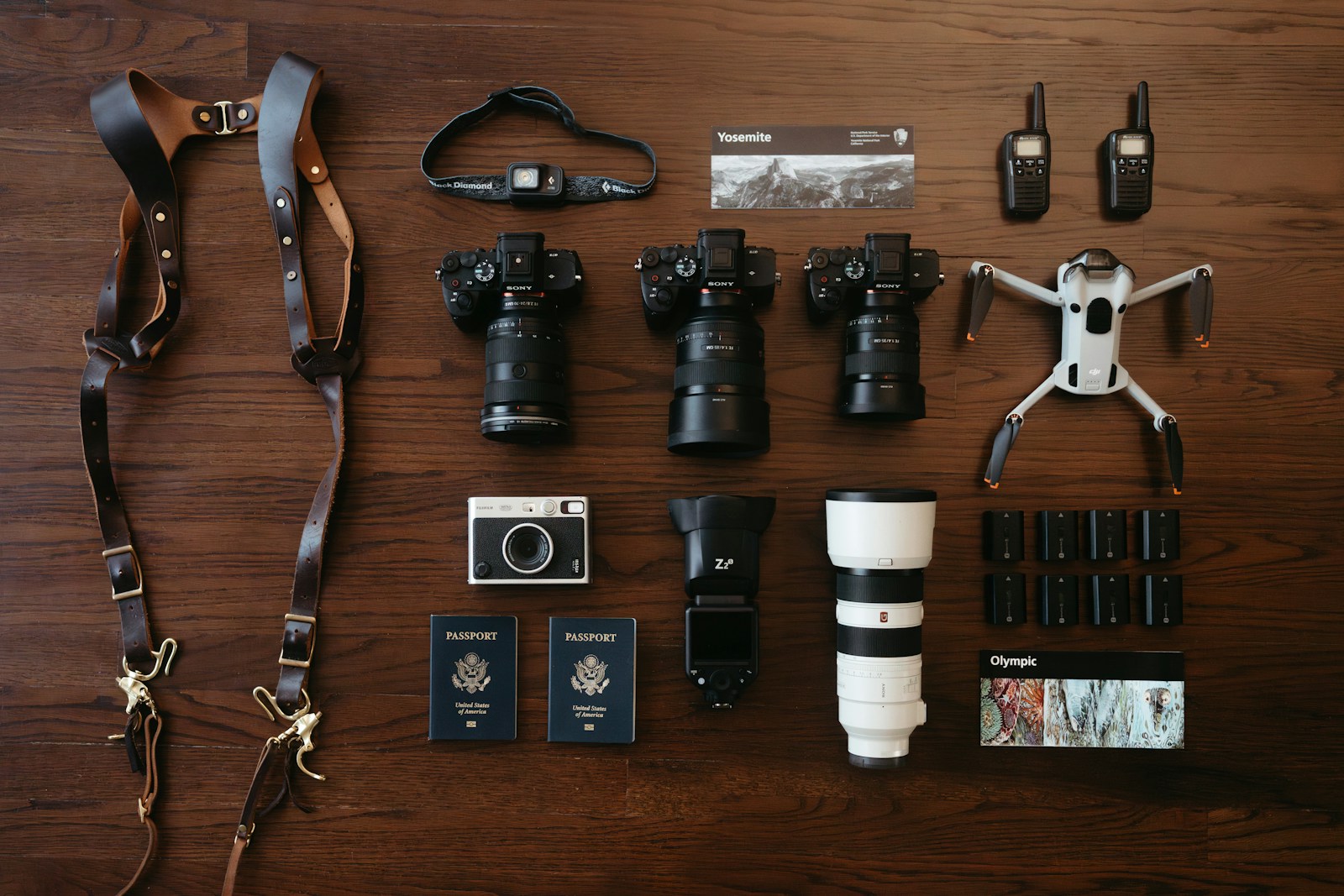
Power & Storage
- Extra camera batteries (4–6 recommended)
- Battery grips for extended shooting
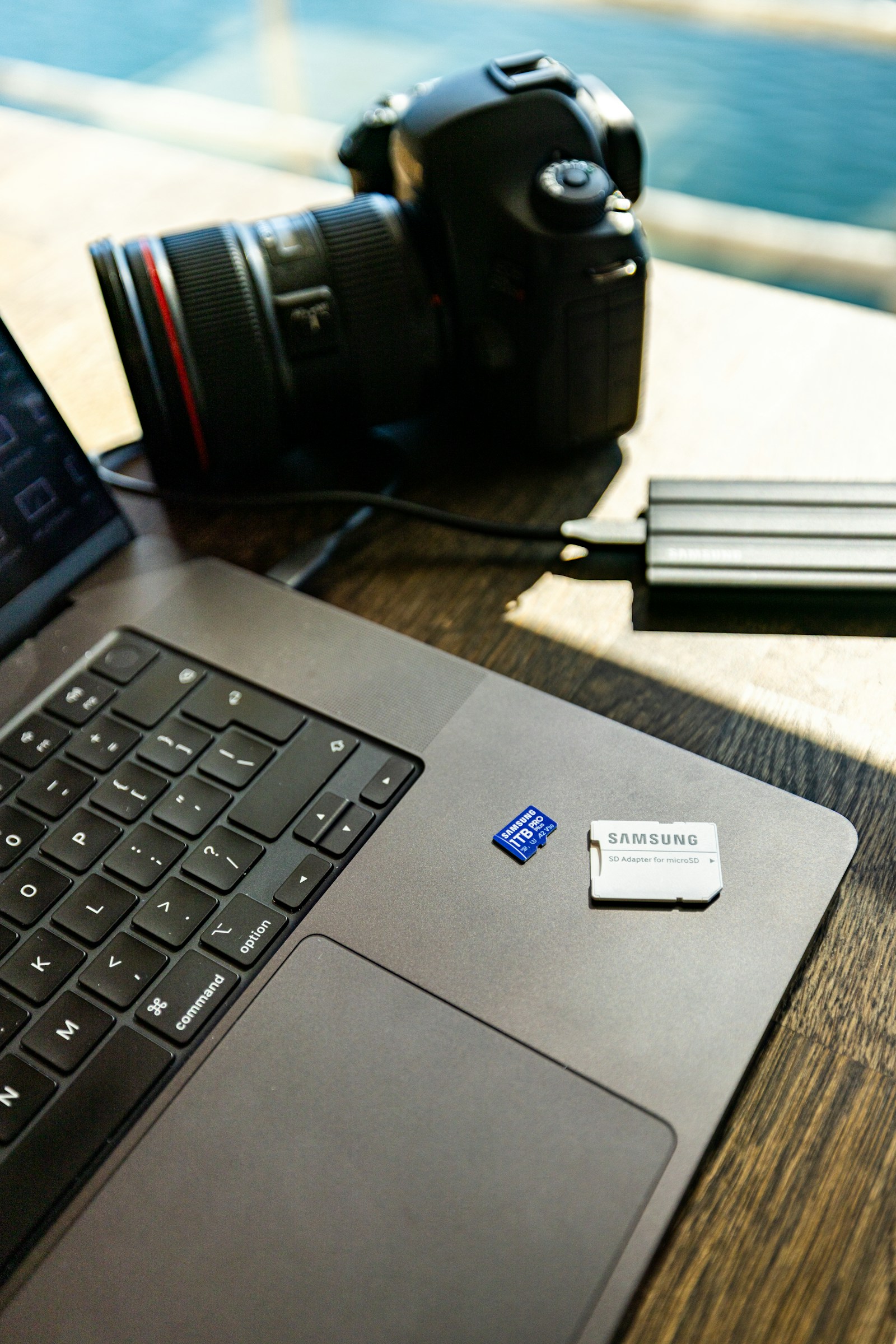
- High-speed memory cards (64GB+ each)
- Card readers and backup drives
- Portable chargers and power banks
- Extension cords and power strips
Camera Bodies: Your Foundation
For event photography, reliability is everything. You need camera bodies that perform consistently in low light, have excellent autofocus systems, and can handle the physical demands of long shooting days. Full-frame sensors are preferred for their superior low-light performance and dynamic range.
Primary Camera Recommendations
- Canon R6 Mark II or R5: Excellent low-light performance, fast autofocus, and reliable battery life.
- Sony A7 IV or A7R V: Outstanding image quality, superior video capabilities, and compact size.
- Nikon Z6 II or Z9: Great dynamic range, intuitive controls, and robust build quality.
Always bring a backup camera body. Equipment failure at an event can be catastrophic , having a second body ensures you can continue shooting without missing critical moments.
Mirrorless vs. DSLR: The Verdict is In
While DSLRs like the Canon 5D Mark IV are still workhorses, mirrorless cameras have taken over for one specific reason: Eye-Autofocus. The ability to lock onto a subject's eyeball and track them across a crowded dance floor allows you to shoot wide open (f/1.2 or f/1.4) with confidence , something that was incredibly risky on older DSLRs.
Essential Lens Kit
Your lens selection should cover the full range of shooting scenarios you'll encounter at events.
The Trinity of Event Lenses
24–70mm f/2.8 , The Workhorse This should be your primary lens for 70% of event shooting. It covers the most useful focal range for group shots, candids, and general event coverage while maintaining excellent low-light performance.
70–200mm f/2.8 , The Reach Perfect for ceremony coverage, stage events, and situations where you need to maintain distance. The compression effect also creates beautiful background separation for portraits.
16–35mm f/2.8 , The Scene Setter Essential for venue shots, large group photos, and establishing shots that show the scale and atmosphere of the event space.
Lighting: Controlling the Impossible
Event venues often have challenging lighting conditions , from dimly lit reception halls to harsh fluorescent conference rooms. Having the right lighting equipment lets you create consistent, professional results regardless of the venue's limitations.
Flash Photography Setup
- On-camera flash: Canon 600EX-RT, Sony HVL-F60RM, or Nikon SB-5000
- Diffusion: MagMod system, Gary Fong diffusers, or bounce cards
- Off-camera triggers: PocketWizard or brand-specific wireless systems
- Backup flash: Always carry a second speedlight
Power and Storage: Never Run Out
Event days are long, and you can't afford to run out of power or storage. Plan for extended shooting sessions and always have more capacity than you think you'll need.
Power Management
- Carry 4–6 camera batteries per body
- Use battery grips for extended shooting and better ergonomics
- Bring portable chargers for phones and other devices
- Pack power strips for venue charging stations
Storage Strategy
- Use high-speed cards (UHS-II) for burst shooting
- Carry multiple 64GB+ cards rather than larger capacity cards
- Implement immediate backup strategy with dual card slots
- Bring a portable SSD for end-of-day backups
Additional Essential Gear
Accessories
- Comfortable camera strap or harness
- Lens cleaning kit and microfiber cloths
- Rain covers for weather protection
- Gaffer tape for emergency fixes
- Business cards and contracts
- Comfortable, quiet shoes
Organization
- Professional camera bag or roller case
- Battery organizer/case
- Memory card wallet
- Cable organizers
- Equipment checklist
- Emergency contact list
The Forgotten Essential: Audio Gear
Modern clients expect "hybrid coverage" (photo + short video clips). Bad audio ruins good video.
- On-Camera Mic: Rode VideoMic Pro (for ambient room sound).
- Lavalier: Tascam DR-10L (mic the groom or officiant for crystal-clear vows).
Taking Flight: Drone Essentials
Aerial shots are no longer an "extra"; they are an expectation for outdoor venues.
DJI Mini 4 Pro
Under 249g (often bypasses registration), vertical shooting for Instagram, and obstacle avoidance. Perfect for wedding venues.
Filters
Essential. Buy a set of ND (Neutral Density) filters so you can keep your shutter speed at 1/50 for smooth cinematic video, even in bright sun.
Maintenance: Keep It Clean
Dust spots on a sensor can ruin 5,000 photos in a single day.
- Rocket Blower: The first line of defense. Use it every time you change a lens.
- Sensor Swabs: Learn to wet-clean your sensor. It is scary the first time, but essential.
- Contact Cleaner: For battery terminals that get sweaty or corroded.
Budget-Conscious Alternatives
Professional event photography doesn't require the most expensive gear, but it does require reliable gear. Some budget-friendly alternatives that still deliver professional results:
- Tamron and Sigma lenses: Often 30–40% less expensive than brand equivalents.
- Third-party flashes: Godox and Yongnuo offer reliable, affordable lighting.
- Older camera bodies: Previous-generation cameras often have 90% of current performance.
- Used equipment: Professional photographers often sell well-maintained gear.
Pro Tip: Gear Insurance. Invest in professional equipment insurance. Companies like TCP (The Camera Protection) and Hill & Usher offer affordable coverage that protects your investment and your business. The peace of mind is worth the monthly premium.
Pre-Event Preparation
Having great equipment is only half the battle. Proper preparation ensures your gear performs when you need it most:
- Test all equipment before every event
- Clean sensors and lenses regularly
- Format memory cards and charge all batteries
- Check weather forecasts and pack accordingly
- Research the venue for lighting and access challenges
- Create a detailed equipment checklist
Frequently Asked Questions
Do I really need dual card slots?
Yes. SD cards fail. It's not a matter of "if," but "when." Losing a client's wedding photos is a career-ending event. Redundancy is your insurance.
Should I buy generic batteries?
Use them for backups only. Generic batteries often report battery life inaccurately, dying suddenly from "30%." Stick to OEM (Canon/Sony) for your primary power.
Prime vs. Zoom lenses?
Zooms (24–70) for efficiency and speed. Primes (35, 50, 85) for "soul" and artistic portraits. Carry both.
How much gear is too much?
If you can't comfortably carry it through a 10-hour wedding day, you have too much. Pack for the shoot you have, not the shoot you imagine.
Wrap-Up
The best camera is the one that's working reliably in your hands. Invest in quality equipment that you understand thoroughly, and always have backup plans for critical gear. Your reputation depends on delivering consistent results, regardless of technical challenges.
Ready to deliver your event photos in a gallery that doesn't suck?